




When shopping for a niacinamide serum, it's easy to assume that a bigger percentage on the bottle means bigger results. If 5% niacinamide is good, shouldn't 10%, 15%, or even 20% be better?
Not necessarily.
The right niacinamide concentration depends on your skin, your concerns, and—importantly—the complete formulation. Understanding what those percentages mean can help you choose skincare based on what your skin actually needs rather than simply reaching for the highest number on the shelf.
What Does Niacinamide Serum Do?
Niacinamide is a form of vitamin B3 and has become a skincare staple because it can address several concerns at once.
Research has linked topical niacinamide with improvements in the skin barrier, moisture retention, pigmentation, redness, and visible signs of aging. It's also been studied for its effects on facial sebum, making it an interesting ingredient for both dry and oily skin types. (PubMed)
In other words, niacinamide isn't designed for one specific "type" of skin. The more important question is what you want your niacinamide serum to accomplish.
Is 5% Niacinamide Enough?
For many people, absolutely.
Research has demonstrated cosmetic benefits from formulations containing relatively modest concentrations of niacinamide. One clinical study of a 5% niacinamide moisturizer, for example, reported improvements in the appearance of fine lines, wrinkles, hyperpigmented spots, redness, and skin sallowness after 12 weeks of use. (PubMed)
Research has also found that topical nicotinamide can help reduce transepidermal water loss, supporting its use in routines focused on skin-barrier function. (PubMed)
This is why choosing a serum shouldn't become a competition to find the highest percentage.
When Does a Lower Concentration Make Sense?
If your skin is dry, sensitive, or easily irritated, a moderate niacinamide concentration can provide targeted benefits without unnecessarily complicating your routine.
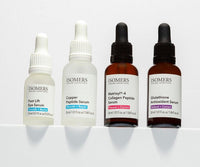
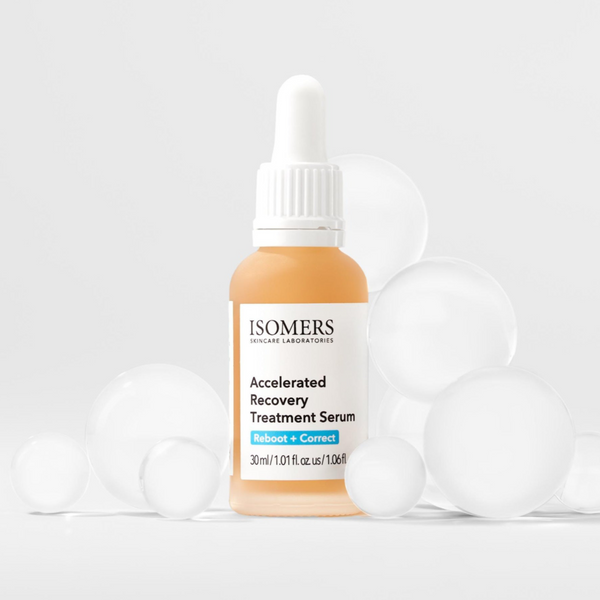
Isomers Skincare, a science-focused Canadian skincare company, recommends 5% niacinamide when irritation is a primary concern. Its approach reflects a bigger principle in cosmetic formulation: ingredients need to be selected at concentrations that make sense for both the formula and the skin concern being targeted.
Your niacinamide also isn't working alone. Supporting ingredients and the way the entire product is formulated can influence how it feels and functions on your skin.
Can You Use Niacinamide With Other Actives?
Niacinamide can also be useful when you're building a routine around ingredients such as retinol, vitamin C, or skincare acids.
Rather than following blanket internet rules about which ingredients can "never" be mixed, look at the specific formulations you're using. Isomers Skincare formulates niacinamide alongside other targeted ingredients and notes that niacinamide can provide a comforting addition to retinol-focused skincare.
If you're introducing multiple active products, however, add them gradually so you can see how your skin responds.
Choose Your Serum Based on Your Skin, Not the Number
So, does more niacinamide mean better results? No single percentage is automatically best for everyone.
Instead, consider your skin type, concerns, other active ingredients, and the complete serum formulation. A thoughtfully developed 5% formula may be exactly what your skin needs—and chasing a higher number doesn't guarantee a better outcome.
For more ingredient education and science-led skincare advice, visit Isomers Skincare and explore targeted formulas developed around real skin concerns.